
AT A GLANCE…
This article looks at the construction and enforcement of trade mark co-existence agreements in a long‑running dispute between footwear brand Clarks and cycling company Trek over use of the sign TREK on shoes. The judgment provides valuable guidance on how courts will interpret sector‑based carve‑outs in co-existence agreements, the risks of informal “understandings” between commercial parties, and the relationship between contractual restrictions and trade mark infringement under the Trade Marks Act 1994 (TMA 1994).
What Happened?
Clarks has sold footwear under the TREK name for more than 50 years, most famously the DESERT TREK shoe. Trek, meanwhile, has used TREK for bicycles and cycling‑related products for a similar period.
To avoid conflict, the parties entered into a worldwide trade mark co-existence agreement in April 2001. In broad terms, the agreement allowed:
- Clarks to use and register TREK for footwear, provided it did not extend the mark to goods adapted for cycling, sports or fitness; and
- Trek to use TREK for cycling and sports‑related products, but not for footwear.
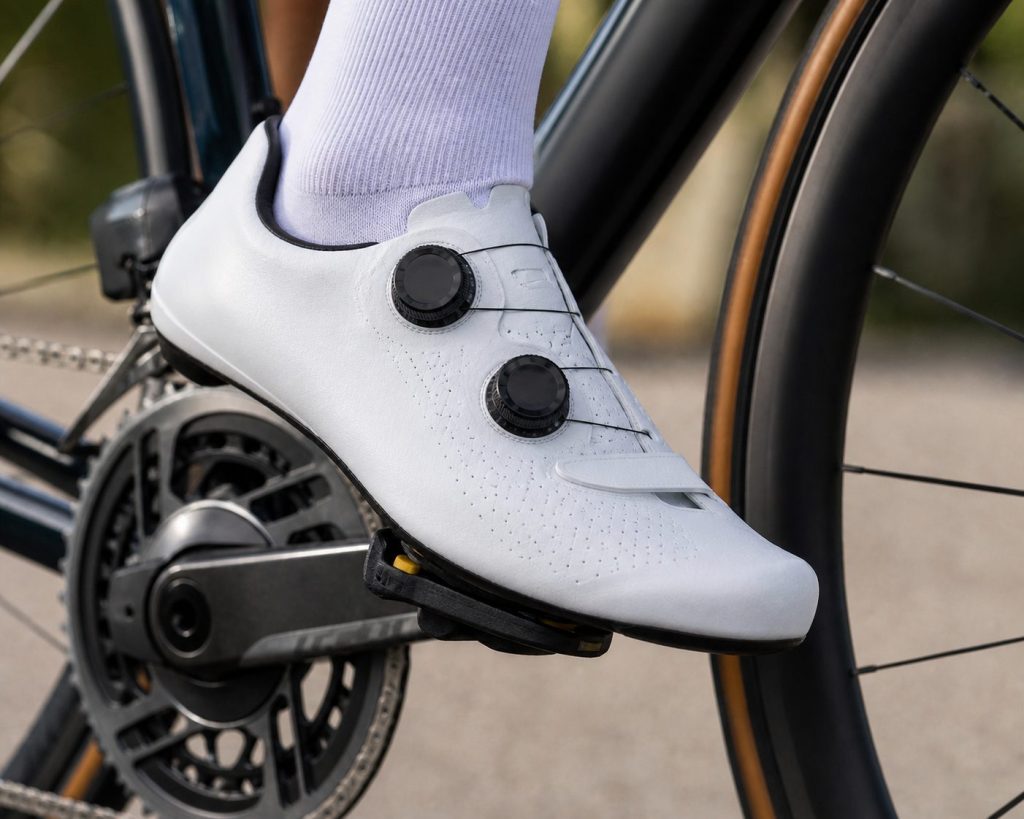
For many years the arrangement operated without difficulty. However, from around 2016, Trek began exploring the possibility of expanding the TREK brand into cycling shoes, leading ultimately to litigation.
The issues before the court
The court was asked to determine a wide range of contractual and trade mark issues, including:
- whether Trek breached the 2001 co-existence agreement by selling TREK‑branded cycling shoes and insoles;
- whether those sales also amounted to trade mark infringement under sections 10(1), 10(2) and 10(3) of the TMA 1994;
- whether Clarks itself breached the agreement by selling TREK‑branded shoes said to be adapted for sports or fitness;
- whether certain Trek trade mark registrations were invalid, and whether Clarks’ marks were subject to partial revocation for non‑use;
- whether Trek breached the agreement by opposing a Clarks trade mark application in China; and
- issues of alleged consent, waiver and estoppel arising from discussions between the parties in 2018.
Key findings
- Cycling shoes are “footwear”
- A central issue that was considered by the court was whether cycling shoes fall within the concept of “footwear” for the purposes of the agreement.
- The court had little difficulty concluding that they do. Giving the term its ordinary and commercial meaning, the judge rejected Trek’s contention that cycling shoes formed a separate category outside the agreed prohibition. Trek’s launch of TREK‑branded cycling shoes and insoles therefore breached the coexistence agreement.
No informal consent or variation
Trek relied heavily on an alleged oral assurance given during a 2018 meeting, arguing that Clarks had consented to Trek’s entry into cycling footwear.
The court firmly rejected this argument. It held that there was no clear or informed consent, and in any event nothing capable of amounting to a variation or waiver of a carefully structured commercial agreement. The judgment underlines the difficulty of relying on informal discussions to override formal co-existence arrangements.
Trade mark infringement
Because Trek’s use of TREK on cycling shoes fell outside the scope of the coexistence agreement, it was not authorised. The court found that the use therefore infringed Clarks’ registered trade marks, including infringement under section 10(2) and (in certain respects) section 10(3) TMA.
The case illustrates how co-existence agreements can operate as a practical boundary between lawful and infringing use.
Clarks were also found to be in breach of the co-existence agreement, but to a limited extent
Trek’s counterclaim alleged that Clarks had itself breached the agreement by selling TREK‑branded footwear adapted for sport or fitness.
The court carried out a detailed, fact‑specific assessment of Clarks’ product range, considering design, functionality and marketing. It concluded that some models did cross the contractual line, meaning Clarks was also in breach, albeit on a narrower scale.
Validity and revocation
The court further ruled:
- mark registrations findings of partial invalidity against certain Trek trade insofar as they purported to cover footwear; and
- partial revocation of Clarks’ TREK registrations where genuine use had not been established for specific categories of goods.
These aspects of the judgment demonstrate how co-existence agreements may influence not just contractual rights, but also the scope and enforceability of registered trade marks.
Global scope matters
Finally, the court confirmed that the co-existence agreement had global effect. Trek’s opposition to a Clarks trade mark application in China was therefore held to be a breach of contract, reinforcing the need for parties to consider overseas enforcement activity carefully where co-existence arrangements are in place.
Practical takeaways
The decision offers several important lessons for brand owners:
- Co-existence agreements will be enforced strictly according to their wording and commercial purpose.
- Parties should assume that ordinary meanings (such as “footwear”) will prevail unless expressly qualified.
- Informal discussions or perceived understandings are unlikely to override formal agreements.
- Co-existence arrangements impose mutual and continuing obligations — both sides must stay within the agreed boundaries.
- Trade mark portfolios should be periodically reviewed to ensure they remain consistent with contractual commitments and actual use.
Conclusion
Clarks v Trek is a timely reminder that co-existence agreements are not “file and forget” documents. When business strategies evolve, particularly into adjacent product categories, parties must revisit and, if necessary, formally renegotiate the contractual framework.
The judgment provides welcome clarity for brand owners navigating shared brand territory — and a cautionary tale for those tempted to test the limits.
How We Can Help
Kidwells dedicated Technology and Commercial team can help businesses understand and plan their IP protection strategies.
For further information, get in touch.